The What? When? How?
of Fertilizer
Let's talk about fertilizer...
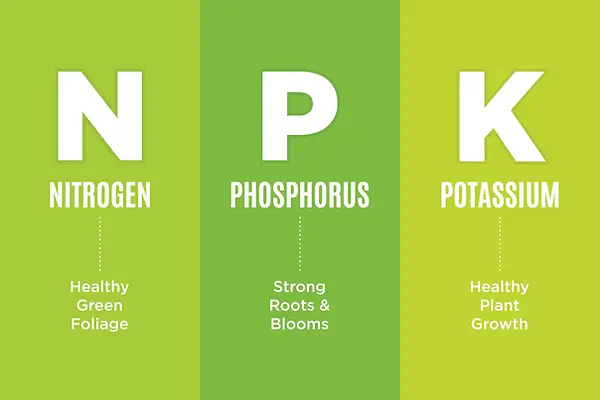
Fertilizers are natural or synthetic materials applied to soil or plant tissues to supply essential nutrients for healthy growth. They maximize yield and replenish exhausted soils. The primary macronutrients they provide are Nitrogen (N), Phosphorus (P), and Potassium (K).
Every fertilizer bag lists three numbers
(e.g., 10-10-10), which represent the percentage by weight of the primary macronutrients:
-
Nitrogen (N): Promotes healthy, green foliage and rapid leaf growth.
-
Phosphorus (P): Stimulates early root growth, flower development, and fruit production.
-
Potassium (K): Enhances overall plant vigor, disease resistance, and helps regulate plant metabolism.
The Big Three Nutrients (NPK)
Types of Fertilizer:
Fertilizers generally fall into two categories, each with its own advantages:
-
Organic: Derived from natural sources like compost, manure, bone meal, or fish emulsion. They release nutrients slowly as soil microbes break them down, improving soil structure over time.
-
Inorganic (Synthetic): Manufactured from minerals or chemical sources. They are highly concentrated and deliver nutrients to plants immediately.
When to Apply:
The best time to apply fertilizer depends on the plant type, but the general rule is to feed them when they are actively growing, typically from spring through early autumn.
Timing by Plant Category:
-
Vegetables: Apply at planting time, then every 3–4 weeks until harvest.
-
Houseplants: Feed only during spring and summer; stop completely in winter.
-
Perennial Flowers: Feed once in early spring as new growth emerges.
-
Established Trees & Shrubs: Apply once in early spring before buds open.
-
Lawns: Apply in spring (all lawns) and early fall (for cool-season grasses).
Best Time of Day and Weather:
-
Time: Apply in the early morning or late evening to avoid intense sun.
-
Weather: Apply before a light rain, or water the soil thoroughly yourself.
-
Avoid: Never fertilize during midday heat or during severe droughts.
When to Stop Fertilizing:
-
Winter Dormancy: Stop feeding in late autumn when plants go dormant.
-
Stressed Plants: Never fertilize sick, insect-infested, or wilting plants.
-
Fresh Repots: Wait 4–6 weeks after repotting before adding fertilizer.